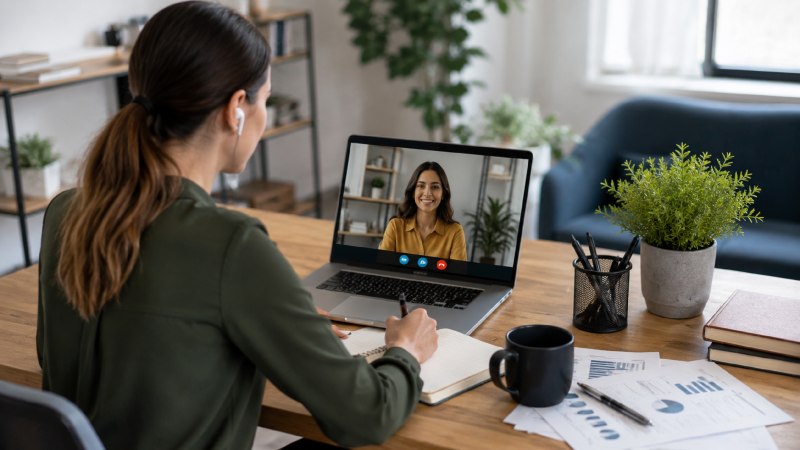
Thinking about replacing office-based hiring with remote hiring? The biggest shift is not where the employee works. It is how you hire, manage, communicate, and measure their performance.
A medical practice hiring a remote patient coordinator needs to control access to its EHR, scheduling systems, and patient information. Similarly, a law firm hiring a remote paralegal needs secure access to case files, legal software, and client documents. Each role has different privacy requirements.
Before you make the switch, here are the key areas that deserve attention.
What Businesses Should Know Before Switching to Remote Hiring
There are important factors businesses should consider before switching to remote hiring.
You may have new compliance responsibilities
Hiring someone remotely can create legal and tax obligations based on where they actually work. For U.S. hires, this can include state payroll registration, withholding requirements, and state employment rules. International hires may also involve local labor laws, taxes, benefits, and employment contracts.
Worker classification also matters. A business cannot simply label someone an independent contractor and assume they are legally a contractor. The actual working relationship can determine whether the worker is treated as an employee or contractor for tax purposes.
For businesses hiring across borders, an employer of record or remote staffing company can help manage parts of the hiring and employment process.
Hire for role-specific skills, not just remote experience
Remote work experience alone does not tell you whether someone can handle the responsibilities of the role. During remote hiring, look for candidates who are already aware of tools and workflows used in your industry.
For example, a remote medical billing specialist should know how to work with payer portals, billing software, and RCM workflows. Similarly, a legal assistant should be aware of using case management platforms such as Clio, MyCase, and document management.
Instead of hiring someone simply because they have worked remotely, prefer to hire those who already know how to use software or tools related to the industry you are in.
Remote hiring is not simply posting a job without a location requirement. It has changed the hiring process, communication, onboarding, and performance management. For example, a remote medical billing specialist may need to work with payer portals, billing software, and an RCM workflow.
While a legal assistant may need to manage deadlines, update core records, and organize documents in Clio or MyCase. Include these requirements in the hiring process. So do not hire someone simply because they have remote work experience. Look for experience in the specific field and role.
Remote hiring gives you access to a larger talent pool
One of the major advantages of remote hiring is the large talent pool. A small law firm may struggle to find a paralegal in nearby areas.
A dental practice may have difficulty finding an insurance verification specialist. A growing company may need a bookkeeper who already knows QuickBooks or an experienced customer support specialist who can work specific shifts.
Remote hiring allows businesses to search beyond their immediate labor market. However, a larger talent pool only helps if you know what you are looking for.
Define the skills, industry experience, software knowledge, working hours, and communication skills required for the role before you start recruiting.
Not every position is suitable for remote hiring
Remote hiring works best when jobs can be done through digital systems and measured through clear outputs.
Medical billing, legal intake, customer support, scheduling, data entry, software development, and other administrative roles are suitable for remote work. Employees can complete their tasks using EHRs, case management platforms, accounting software, and other online systems.
A dental hygienist, warehouse worker, and front-desk staff handling walk-in patients need to ensure their physical presence at the practice.
Your hiring process may need to change
A video interview might show you the communication skills of the candidate but cannot show how the candidate can perform the job. So, the best solution is to conduct a job-related assessment along with an interview.
The type of assessment depends on the role you are hiring for. It can include work skill tests, technical or job knowledge tests, or situational judgement tests. Work skill tests are useful for specialized positions, as they ask candidates to perform tasks similar to those they would perform in their job.
For example, a remote medical billing candidate can review a sample claim, identify the reasons behind denial, and explain steps to resolve it. Similarly, you can give a mock file to a remote legal assistant and ask them to organize documents, identify missing information, and prepare a short deadline checklist.
This approach can help you have more useful evidence than a generic remote work experience. It helps you know whether a candidate is capable of performing their tasks effectively.
Time zones can affect how work gets done
Hiring remote employees from different regions can give you a coverage advantage. But happens only when the workflow is designed around it.
For example, a U.S. medical practice could have a remote billing specialist follow up on outstanding claims after the local office closes. Similarly, a legal firm may also have a paralegal who prepares documents before the law team starts working the next morning.
So, plan working hours clearly. If the role requires 24/7 coverage, divide the time between your in-house and remote teams.
Remote employees need structured onboarding
Remote onboarding requires proper planning instead of sending new employees their login details. A healthcare practice, for example, needs to train their medical billing specialists on EHR systems, practice management systems, payer portals, and HIPAA procedures.
Assign one person to own the onboarding process. This process includes:
Preboarding: Send documents and first-day instructions to the new employee
System access: Set up email, EHR or case management software, billing platforms, and security permissions.
Role training: Explain to employees their tasks and workflow, such as claim submission for a medical biller or case-file management for a legal assistant.
Team introduction: Explain to them who handles questions about billing, technology, or daily tasks.
First-week check-in: Review access issues, answer questions, and clarify anything employees couldn’t understand before.
A structured process can help remote employees understand the actual system and workflow they will use instead of relying on generic training.
Conclusion
Switching to remote hiring involves more than allowing employees to work from home. Businesses need to consider which roles they can hire remotely, what technology measures they need to take, and what equipment and IT software are required to stay connected with employees.
With the right structure in place, remote hiring can help businesses find the right talent without being limited to their local labor market.